
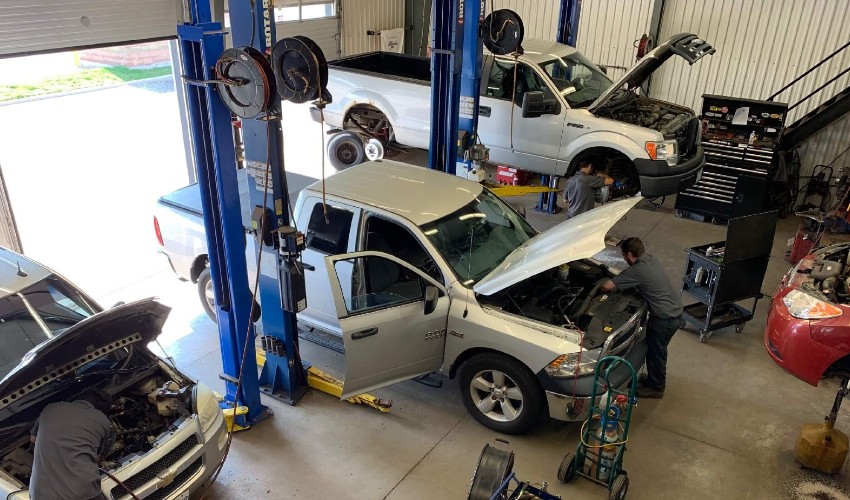
The automotive repair industry is undergoing a significant digital transformation. For decades, repair shops relied heavily on paper-based systems to track work orders, manage parts inventory, and communicate with customers. However, as technology continues to evolve, more auto shops are transitioning from traditional paperwork to modern cloud-based systems. This shift is redefining efficiency, accuracy, and scalability in ways that were once unimaginable. Today, embracing cloud technology is no longer a luxury for forward-thinking auto shops—it has become a necessity for survival and growth in an increasingly competitive market.
Understanding the Move from Paper to Digital
The traditional paper-based system served its purpose when operations were simpler and customer expectations were lower. But as vehicles have become more complex and customers demand faster, more transparent service, paper processes have shown their limitations. Manual documentation, physical storage, and handwritten work orders consume valuable time and are prone to human error.
With cloud-based systems, auto shops can streamline operations by storing all their data digitally in a secure online environment. This means shop owners, service advisors, and technicians can access information instantly, collaborate seamlessly, and manage business processes from any location.
The migration to digital systems isn’t just about convenience—it’s about optimizing every aspect of shop performance while delivering a superior customer experience.
The Challenges of Paper-Based Systems
Before understanding why cloud systems are the future, it’s important to look at the pain points that paper-based systems create in everyday shop operations.
1. Inefficiency and Time Waste
Manual record-keeping is slow and often redundant. Writing work orders, searching for files, and filling out invoices all add unnecessary time to each transaction. This inefficiency reduces the number of jobs a shop can handle daily, directly impacting profitability.
2. Human Errors and Miscommunication
A single mistake on a handwritten document can lead to costly consequences—incorrect part orders, billing errors, or misdiagnosed repairs. Paper documents can be misplaced, smudged, or illegible, making it difficult for technicians and service advisors to communicate clearly.
3. Storage and Space Limitations
Paper files require physical storage. As a shop grows, so does the need for file cabinets, boxes, and extra space to keep years’ worth of repair orders and invoices. Not only does this take up valuable workspace, but it also makes document retrieval slow and cumbersome.
4. Lack of Real-Time Data Access
With paper systems, managers must wait until the end of the day or week to review reports. By the time inefficiencies are noticed, the opportunity to fix them may have passed. There’s no way to track productivity or performance in real time.
5. Compliance and Record-Keeping Risks
Regulatory requirements often demand that auto repair shops maintain accurate service records. Paper records can be lost due to fire, water damage, or simple misfiling, which can lead to compliance issues and potential legal problems.
What Are Cloud Systems in Auto Repair Management?
Cloud systems refer to software platforms that store and process data on remote servers rather than local computers or paper files. Users can access this data through any internet-connected device.
For auto shops, cloud systems encompass all major business functions, including:
- Customer management: Tracking service history and contact details.
- Work order management: Digital creation and tracking of repair orders.
- Inventory control: Real-time monitoring of parts and supplies.
- Accounting and invoicing: Automated billing and financial tracking.
- Technician scheduling: Managing workloads and assignments efficiently.
- Performance analytics: Measuring productivity, sales trends, and profitability.
By integrating these features into a single digital ecosystem, cloud systems eliminate redundant processes and provide a unified view of operations.
Why Auto Shops Are Embracing Cloud Systems
1. Streamlined Workflow and Time Savings
Cloud systems automate repetitive administrative tasks, allowing technicians and service advisors to focus on delivering quality work rather than shuffling paperwork. Work orders can be generated digitally, assigned to technicians instantly, and updated in real time.
Benefits include:
- Faster job check-in and completion times.
- Automatic syncing between departments (front desk, technicians, accounting).
- Reduced need for manual data entry and double-checking.
An efficient workflow means shops can handle more repair orders daily without increasing labor costs.
2. Enhanced Accuracy and Reduced Errors
Automation significantly reduces human errors. When parts are ordered, work orders created, or invoices generated, cloud systems ensure data consistency across every step. This improves accuracy and eliminates costly mistakes that often occur with handwritten or manually entered records.
For example, if a part is out of stock, the system automatically flags it and suggests alternative suppliers, preventing delays and rework.
3. Real-Time Data Access and Reporting
One of the most powerful benefits of cloud-based technology is real-time visibility. Shop owners can monitor operations from anywhere—whether they’re at another location, home, or on the go.
Key insights available instantly:
- Technician performance and labor utilization.
- Job progress and repair timelines.
- Daily revenue, parts usage, and gross profit margins.
Access to live data enables quicker decision-making, allowing owners to spot issues and adjust resources as needed.
4. Seamless Multi-Location Management
For repair shop chains or owners managing multiple locations, cloud systems are game-changing. All branches connect to the same database, providing unified reporting and consistent operational standards across every shop.
Multi-location advantages include:
- Centralized customer records and invoices.
- Consolidated financial reporting.
- Shared inventory management and parts ordering.
- Performance comparisons between branches.
This unified approach ensures brand consistency and easier oversight without the need for excessive manual coordination.
5. Improved Customer Experience
Today’s customers expect transparency, convenience, and speed. Cloud systems make it possible to deliver exactly that.
Customer-focused benefits:
- Digital vehicle inspections with photos and videos sent directly to the customer.
- Online appointment booking and reminders via email or SMS.
- Real-time updates on repair progress.
- Faster, more accurate billing and digital payment options.
When customers feel informed and in control, their trust increases, leading to higher retention rates and positive word-of-mouth referrals.
6. Data Security and Backup Protection
A common misconception is that paper records are more secure than digital data. In reality, cloud systems offer superior protection. Sensitive business and customer information is stored in encrypted servers with multiple layers of security.
Security advantages:
- Automatic data backups prevent loss due to hardware failure or disasters.
- Role-based access controls restrict unauthorized data access.
- Compliance with data protection regulations ensures legal safety.
Even if a local computer crashes, all data remains intact and accessible from another device.
7. Cost Efficiency and Scalability
Transitioning to a cloud system may require an upfront investment, but the long-term financial benefits are significant. Paper, ink, filing supplies, and storage space costs are eliminated. Additionally, shops no longer need expensive on-premises servers or IT maintenance.
Cloud-based solutions scale easily as the business grows. Whether adding new users, expanding to new locations, or integrating additional features, scalability comes without major hardware or infrastructure costs.
8. Environmental Sustainability
Beyond operational benefits, going digital supports environmental responsibility. Paperless systems reduce waste and lower the shop’s carbon footprint. Many customers appreciate environmentally conscious businesses, enhancing the shop’s public image.
Eco-friendly advantages include:
- Reduced paper and ink usage.
- Lower energy consumption due to digital workflows.
- Electronic communication instead of printed correspondence.
This commitment to sustainability aligns with the growing demand for green business practices.
9. Integration with Other Business Tools
Modern auto repair cloud systems integrate seamlessly with other business software such as accounting tools, customer relationship management (CRM) platforms, and payment processors.
Integration benefits:
- Streamlined billing and financial reporting.
- Automated customer marketing campaigns.
- Real-time syncing of expenses, invoices, and payments.
These integrations create a cohesive ecosystem that eliminates the need for manual data transfers or duplicate entries.
10. Data Analytics and Performance Tracking
Cloud platforms transform everyday operations into measurable insights. The system collects data from all aspects of the business, allowing owners to track performance and identify opportunities for improvement.
Key performance metrics include:
- Average repair order (ARO) value.
- Technician productivity and efficiency rates.
- Parts-to-labor ratio.
- Customer retention and satisfaction scores.
By analyzing these metrics, owners can pinpoint inefficiencies, adjust pricing, and forecast future growth accurately.
Real-Life Impact: From Manual Chaos to Digital Control
Consider an independent auto repair shop that previously relied on handwritten job tickets and physical filing. The team often misplaced invoices, misordered parts, and lost hours searching for customer records. After implementing a cloud-based management system, the shop experienced:
- A 25% increase in daily repair order completion.
- A 40% reduction in administrative errors.
- Faster customer response times with automated communication tools.
- Improved profitability due to better resource allocation.
This example highlights how technology directly enhances performance, reduces waste, and strengthens customer relationships.
Overcoming the Transition Challenges
While adopting new technology can seem intimidating, most shops find the transition smoother than expected. The key is proper planning and team training.
Best practices for a successful transition:
- Start by digitizing the most frequently used workflows, such as invoicing and scheduling.
- Train employees gradually and encourage hands-on learning.
- Import existing data systematically to prevent disruptions.
- Choose cloud software that offers customer support and scalability.
Once the initial adjustment period passes, the long-term benefits far outweigh the short-term learning curve.
FAQs
Q1. How secure are cloud-based systems for auto repair shops?
Cloud systems use encryption, multi-factor authentication, and secure servers to protect sensitive data. Regular backups ensure information is never lost, even in the event of hardware failure or cyberattacks.
Q2. Do cloud systems require constant internet access?
Most platforms function primarily online, but many offer offline capabilities. Data entered offline automatically syncs when the connection is restored.
Q3. How can small independent shops afford cloud systems?
Many providers offer tiered subscription plans, allowing shops to pay only for the features they need. Over time, savings from reduced paper, labor, and administrative costs offset the investment.
Q4. What happens if my shop expands?
Cloud systems are designed for scalability. Adding new users or locations is as simple as adjusting account settings, with no additional hardware needed.
Q5. Can cloud systems improve technician accountability?
Yes. Real-time job tracking and digital time logs allow managers to monitor technician performance, productivity, and accuracy, promoting accountability and efficiency.
The shift from paper to cloud-based systems is transforming the auto repair industry. What once took hours of manual work now happens instantly with digital automation. Shops that embrace this transition gain greater control, improved efficiency, and enhanced customer satisfaction—all while reducing costs and environmental impact. In today’s fast-paced automotive world, cloud adoption isn’t just the future—it’s the foundation of sustainable, profitable repair shop management.