
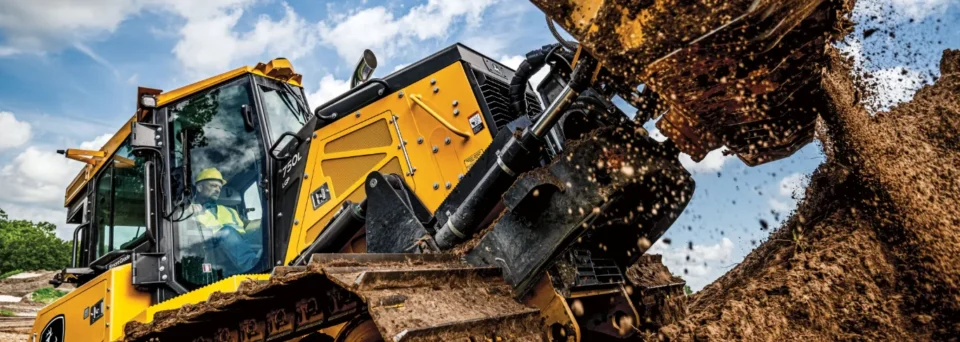
When we think about the word “equipment,” it can encompass a wide range of tools, machines, and devices across various industries. Whether you’re in construction, healthcare, manufacturing, or even fitness, the right equipment plays a vital role in achieving operational efficiency, productivity, and safety. With advancements in technology, equipment has become increasingly specialized, incorporating automation, precision, and energy efficiency into its design. However, selecting, maintaining, and optimizing equipment requires more than just basic knowledge; it involves understanding its use, lifecycle, and the potential for improvement.
This guide dives into the different aspects of equipment selection, maintenance, and optimization, providing actionable insights for industries, business owners, and individuals alike.
The Importance of Choosing the Right Equipment
Selecting Equipment Based on Needs and Goals
Choosing the right equipment is the foundation for success in any industry. The key to an effective equipment selection process is understanding the precise requirements for a given task. Whether it’s for a construction project, a manufacturing line, or a healthcare facility, equipment choices should align with the specific tasks and goals at hand.
For instance, if you’re in the construction business, selecting durable and versatile tools is crucial, as they will be exposed to harsh working conditions. Similarly, in the healthcare industry, selecting the right medical devices can directly affect patient care and safety. The selection process involves multiple steps:
- Assessing Requirements: Understand the specific demands of your project or industry. For example, heavy-duty machines may be required for industrial applications, while light, portable tools are suitable for smaller projects.
- Evaluating Efficiency: Efficiency plays a crucial role in determining the operational costs of equipment. Choosing energy-efficient models can significantly reduce long-term expenses and align with sustainability goals.
- Considering Safety: In environments where safety is a concern, choosing equipment that complies with safety standards is critical. OSHA (Occupational Safety and Health Administration) regulations, for example, mandate that certain machines meet specific safety criteria.
Budgeting for Equipment
When selecting equipment, budget constraints are often a significant consideration. However, it’s essential to balance cost with the quality, durability, and functionality of the equipment. Cutting costs may sometimes mean compromising on performance or safety, which can lead to higher operational costs in the long term. Here’s how to budget effectively:
- Initial Cost vs. Long-Term Cost: While initial costs are important, the long-term cost of ownership is a more significant factor. For example, equipment that requires more maintenance may appear cheaper upfront but incur high operational expenses over time.
- Financing Options: Many businesses opt for leasing or financing equipment instead of outright purchasing it. This allows for flexibility in terms of cash flow management while ensuring access to high-quality tools and machines.
- Maintenance Costs: Evaluate how much upkeep the equipment will need. Often, equipment with a lower initial cost will incur more frequent repairs, leading to increased ongoing costs.
Maintenance of Equipment: Ensuring Longevity and Efficiency
Preventative Maintenance
One of the most effective ways to ensure the longevity of your equipment is through preventive maintenance. This involves scheduled inspections, repairs, and adjustments to keep equipment running smoothly and avoid costly breakdowns. Here’s how to implement an effective preventive maintenance strategy:
- Routine Inspections: Regularly check critical components of your equipment, such as filters, lubrication levels, and electrical systems. For industrial machinery, checking for wear and tear on parts like bearings, belts, and motors is essential.
- Cleaning and Lubrication: Dirt, dust, and debris can accumulate over time, causing equipment to underperform. Proper cleaning and lubrication reduce friction, prevent overheating, and extend the life of components.
- Calibration: For machines that require precision, regular calibration is essential. Equipment like medical devices, measurement tools, and manufacturing machines need to be calibrated periodically to maintain accuracy.
Corrective Maintenance
Even with proper preventive measures, equipment may still break down or malfunction. Corrective maintenance focuses on repairing or replacing faulty components after they have failed. It’s often more expensive and disruptive than preventative maintenance, but it is sometimes inevitable.
To minimize downtime:
- Immediate Action: When equipment malfunctions, immediate action is required to diagnose the issue. Waiting can worsen the problem, increasing the repair cost and operational downtime.
- Spare Parts Inventory: Maintaining an inventory of commonly used spare parts ensures that minor repairs can be done quickly, reducing wait times for parts to be ordered.
Equipment Failure Analysis
To minimize the likelihood of future equipment failures, it’s critical to analyze the reasons behind a breakdown. Analyzing failure modes can help businesses identify recurring issues and address the root causes. This often involves:
- Failure Mode Effects Analysis (FMEA): This process helps to identify potential failures in the design, manufacturing, or operation of equipment. By recognizing these vulnerabilities, businesses can modify their approach to improve reliability.
- Root Cause Analysis: Once a failure occurs, conducting a root cause analysis can help pinpoint the underlying reasons. Was it due to human error, inadequate training, improper usage, or a defect in design? Addressing these issues proactively can prevent similar breakdowns in the future.
Equipment Optimization: Maximizing Efficiency and Performance
Leveraging Technology for Optimization
The digital transformation of industries has led to the development of sophisticated tools for optimizing equipment performance. From smart sensors to real-time data analytics, these innovations can drastically improve efficiency and reduce waste. Here are some key technologies used for optimizing equipment:
- Internet of Things (IoT): IoT-enabled devices allow equipment to communicate data about their performance in real-time. This can help businesses monitor equipment health, track usage patterns, and predict maintenance needs before they become critical issues.
- Predictive Maintenance: With the integration of machine learning and IoT sensors, predictive maintenance can forecast equipment failure before it occurs. This helps reduce downtime and repair costs, ultimately leading to more efficient operations.
- Automation: Automation technologies are increasingly being applied to machinery to enhance precision and reduce human error. In industries like manufacturing, robots and automated systems are used to optimize production lines, improving both speed and quality.
Improving Equipment Utilization
Maximizing the use of equipment ensures that investments are fully realized. Here’s how businesses can optimize equipment usage:
- Utilization Metrics: Track equipment usage through key performance indicators (KPIs) like machine uptime, load factors, and production throughput. This data provides valuable insights into how efficiently your equipment is being used.
- Training and Skills Development: Properly trained personnel are crucial to ensuring that equipment is used effectively. Regular training sessions on the correct operation and maintenance of machinery can prevent misuse and optimize performance.
- Scheduled Downtime: Regularly schedule downtime to inspect, clean, and service equipment. This minimizes the impact of unplanned outages and ensures equipment remains in peak condition.
The Environmental Impact of Equipment
With increasing pressure to reduce carbon footprints and promote sustainability, industries are looking for ways to make their equipment more environmentally friendly. Here’s how equipment can be optimized for sustainability:
- Energy-Efficient Models: Many modern machines and tools are designed to consume less energy. By replacing older, inefficient equipment with energy-efficient alternatives, businesses can reduce energy costs and environmental impact.
- Recycling and Disposal: Proper disposal of old equipment, especially electronics, is essential for reducing environmental harm. Recycling initiatives for components like metals, plastics, and electronics can minimize waste and promote sustainability.
- Green Manufacturing: The manufacturing process itself can have a significant environmental impact. By opting for equipment that uses less water, fewer chemicals, and sustainable materials, businesses can align their operations with green practices.
FAQs About Equipment
What is the difference between preventative and corrective maintenance?
Preventive maintenance involves regular, scheduled maintenance to keep equipment running smoothly and avoid breakdowns, while corrective maintenance addresses issues after equipment has malfunctioned.
How can I choose the right equipment for my business?
The right equipment is chosen by assessing your specific needs, considering factors like efficiency, cost, durability, and safety. Make sure the equipment meets both operational and budgetary requirements.
What is predictive maintenance?
Predictive maintenance uses real-time data and machine learning algorithms to predict when equipment is likely to fail, allowing businesses to perform maintenance before a breakdown occurs.
How can I ensure my equipment lasts longer?
By following a routine maintenance schedule, properly training your team, and using equipment as intended, you can significantly extend the lifespan of your machinery.
How does technology improve equipment optimization?
Technology such as IoT sensors, real-time data analytics, and automation can optimize equipment performance by providing insights into its usage, improving efficiency, and reducing downtime.
What is the environmental impact of equipment?
Equipment can have an environmental impact through energy consumption, material waste, and emissions. By using energy-efficient machines and recycling materials, businesses can reduce this impact and contribute to sustainability.
By focusing on efficient selection, maintenance, and optimization practices, businesses can maximize the utility and longevity of their equipment while reducing costs, minimizing environmental impact, and increasing productivity.